Is Pain a Reason to Go to the Er?
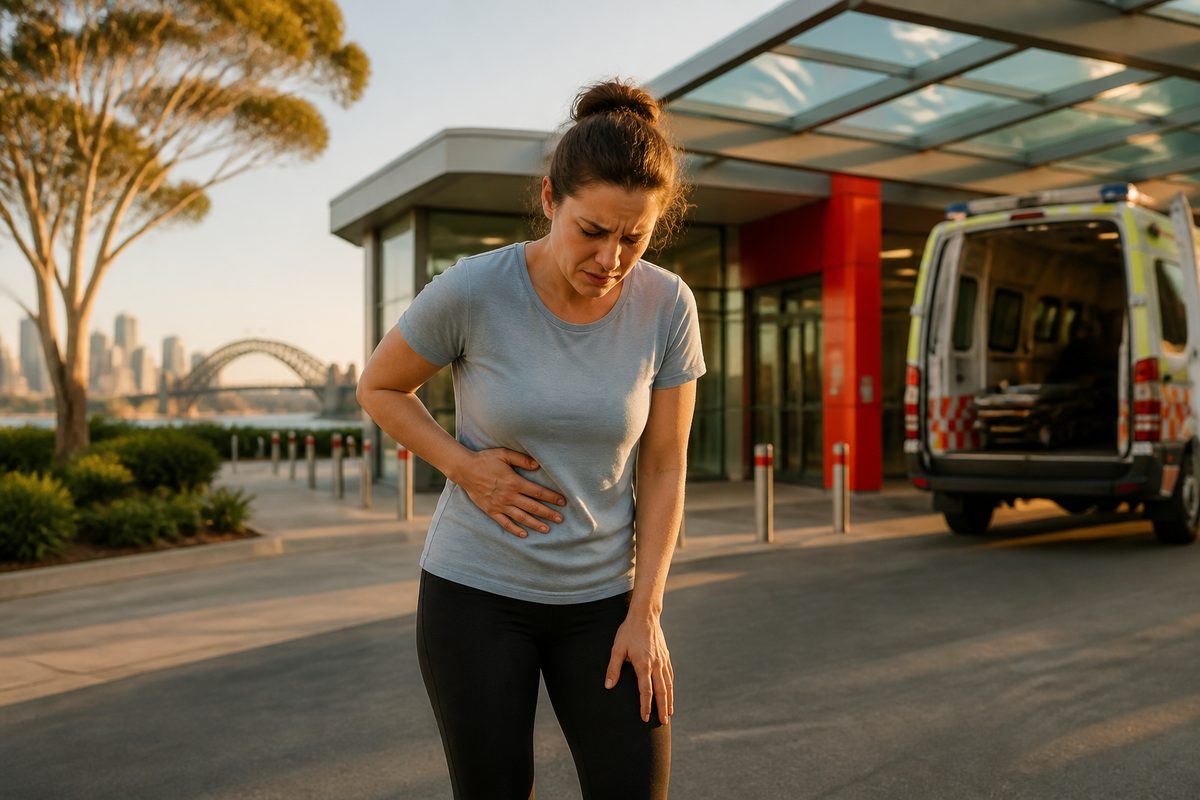
Pain can be a good reason to go to the emergency department, but how bad it feels is only one part of the picture; where it is, how fast it started and what comes with it usually matter more. Some of the most dangerous conditions begin with pain that seems modest. Some of the most intense pain turns out to be much less serious.
This article explains how to think about pain as a warning signal rather than a number. It's general information only and can't diagnose anything. In an emergency, call 000. For health advice, healthdirect on 1800 022 222 can help, and Queensland readers can call 13 HEALTH.
This guide is published by After Hours Care Guide, an independent guide to finding care. It's not a doctor service and can't book or send a doctor.
Why the intensity of pain is a poor guide on its own
Most people ask themselves how much it hurts. Natural question. But it's an unreliable way to decide where to go.
Pain is personal. Two people with the same condition can describe it very differently, and the same person can rate pain differently on different days.
Hospitals often use a pain scale, where you rate your pain from zero to ten. It's a handy tool for tracking how pain changes during a visit. It was never built to sort emergencies from non-emergencies by itself. A person with a quiet, nagging feeling in the chest might be in more danger than someone writhing with a pain that has a harmless cause.
A better approach is to treat pain as one clue among several. Clinicians look at the whole set of signs and symptoms, not a single number. They want to know what else is going on in the body, how quickly things are changing and what your history looks like.
Features that make pain more concerning
Some features raise the level of concern, whatever the score. None of these confirm a diagnosis. But they're the kind of details that make emergency care more likely to be the right choice:
- Sudden onset. Pain that arrives within seconds or minutes, especially if it's the worst you've ever felt, is treated differently from pain that builds slowly over days.
- Pain with other symptoms. Breathlessness, sweating, fainting, confusion, weakness, numbness, vomiting, fever or a rash alongside pain changes the picture.
- Pain after an injury. A fall, crash or blow can cause damage that isn't obvious from the outside.
- Pain that is new, different or escalating. If it doesn't behave like your usual pain, take that seriously.
- Pain in someone with a higher-risk background. Pregnancy, heart disease, a weakened immune system, recent surgery or older age can all make it wise to seek urgent help sooner.
Not sure whether your situation fits? Call healthdirect on 1800 022 222 (13 HEALTH in Queensland). If you think it could be life-threatening, call 000 rather than driving yourself.
Chest pain: the pain you should not wait out
Chest pain is the clearest example of why location matters. It has many possible causes, and most aren't dangerous. A few are time-critical.
One group of heart conditions is called acute coronary syndrome, which covers times when blood flow to the heart muscle is suddenly reduced. Nobody can sort this out reliably at home from the feel of the pain alone.
Pressure, tightness or squeezing in the chest, or pain spreading to the arm, jaw, neck or back, is a reason to call 000 straight away. That's especially true with sweating, nausea or breathlessness. Women, older people and people with diabetes may have less typical symptoms, which is one more reason not to lean on a checklist.
Don't talk yourself out of help because the pain is mild or comes and goes. In the emergency department, chest pain is usually assessed quickly because missing a serious cause costs so much. A normal result doesn't mean you wasted anyone's time.
Abdominal pain: pattern and company matter
Abdominal pain is among the most common reasons people go to hospital. It's also one of the hardest to read. The abdomen holds the bowel, liver, gallbladder, kidneys, bladder and reproductive organs, so the same area of discomfort can have a wide range of causes.
Some details make a visit more likely to be worthwhile. These include pain that is severe and constant, pain focused in one spot and getting worse, a hard or rigid belly, repeated vomiting, blood in vomit or stools, fever, fainting, or pain after an injury.
Mild cramping that settles and doesn't come with these signs is a different story. Your regular doctor or advice line may be the right place to start.
Pregnancy is a special case
If you could be pregnant, abdominal or pelvic pain needs extra care. Ectopic pregnancy, where a pregnancy implants outside the uterus, can be life-threatening. It may show up as one-sided pain, shoulder-tip pain, dizziness or unusual bleeding.
If there's any chance of pregnancy and you have significant pain, don't wait to see if it passes. Call 000 or go to the emergency department, and tell staff about the possibility of pregnancy.
Back pain: usually not an emergency, sometimes urgent
Back pain is extremely common, and most episodes aren't dangerous. It can still be very painful and disruptive, and that alone is a reason to seek advice from a regular health professional. But a small number of features change the urgency.
The big one is a set of warning signs linked with cauda equina syndrome, a condition where the bundle of nerves at the base of the spinal cord is squeezed. Warning signs include numbness in the groin or inner thighs (sometimes called saddle numbness), new trouble passing urine or controlling the bladder or bowel, and weakness or numbness spreading into one or both legs. Go to the emergency department promptly if you notice these, because delays can affect recovery.
Other features call for urgent attention too. They include back pain after significant trauma, back pain with fever or unexplained weight loss, and severe back pain alongside chest pain or abdominal pain. Pain in the back can also be referred from organs elsewhere, so it's not always a back problem.
Sudden severe headache
Most headaches aren't emergencies. But a headache that comes on abruptly and feels like the worst of your life is taken seriously. One cause doctors want to rule out is subarachnoid hemorrhage, bleeding around the brain.
Other red flags include headache with confusion, weakness, trouble speaking, a stiff neck, fever or a rash, or headache after a head injury.
If this sounds like you or someone near you, call 000. Don't wait for it to settle, and don't drive yourself.
Chronic pain and flare-ups
Chronic pain, meaning pain that lasts for months or longer, raises a different question. Living with ongoing pain doesn't mean every flare-up is an emergency. Most long-term pain is best managed through regular care and a plan built with your usual health team.
The risk is assuming every new pain is just your usual pain. A change in character, a new location, or new symptoms such as fever, weakness, breathlessness or chest discomfort should be checked afresh.
Equally, if your pain is the same as always but you can't cope, you still deserve help. Your regular doctor, a pain service or a helpline may be a better fit than the emergency department.
If you have a care plan from your treating team, keep it handy and follow its guidance on when to seek urgent help.
What happens when you arrive
Knowing what to expect can make the decision feel less daunting. On arrival, a nurse will usually assess you through triage. They ask about your pain and check your vital signs such as pulse, blood pressure, temperature, breathing rate and oxygen levels. Then they decide how urgently you need to be seen. emergency department
People aren't seen in order of arrival. Someone with a more time-critical problem may go ahead of you.
You may then be seen by an emergency physician, a doctor who specialises in assessing and treating urgent and unexpected conditions. They may order tests, watch how things change over time, or bring in other specialists. Sometimes the answer is reassuring and you go home with advice. That's a good result, not a failure.
Waits can be long when the department is busy, and pain doesn't always get you seen sooner if other patients are at greater risk. Tell staff if your pain gets worse, or if new symptoms appear while you wait.
Other places to get help for pain
The emergency department is for serious or potentially life-threatening problems. For pain that is troubling but not alarming, other options may suit better:
- Primary care. Your regular GP can assess new or ongoing pain, arrange tests and referrals, and follow up over time. If you can't get in the same day, ask about urgent appointments or what the practice recommends after hours.
- Urgent care center. In some areas, an urgent care service or after-hours clinic can treat problems that need prompt attention but aren't life-threatening. Availability, hours and costs vary by location, so check with the service directly.
- Telephone advice. healthdirect on 1800 022 222 offers health advice from a registered nurse, and Queensland readers can call 13 HEALTH.
- 000. Always the right call if you suspect a life-threatening emergency.
Want help working out what kind of service might suit you? After Hours Care Guide is an independent guide to finding care. It doesn't provide medical advice or treatment.
Questions to ask yourself before you decide
When pain makes the decision hard, these questions can help you think it through:
- Did the pain start suddenly, or is it the worst I have ever had?
- Is it in the chest, head, belly or back, and does it come with other symptoms such as breathlessness, sweating, fainting, weakness or vomiting?
- Could I be pregnant?
- Did it follow an injury?
- Is it different from any pain I have had before?
- Do I have a health condition that makes this riskier?
If you answer yes to any of these and you're worried, err on the side of seeking help. If you're unsure, call healthdirect on 1800 022 222 (13 HEALTH in Queensland). If you think a life is at risk, call 000.
Costs and eligibility
Costs and eligibility for emergency, urgent care and general practice services depend on where you are, whether you hold a Medicare card, your health cover and the type of provider. Don't guess. Confirm current costs and eligibility with Services Australia or the provider. Worry about cost should never stop you from calling 000 if you believe there's an emergency.
Key takeaways
- Pain can justify emergency care, but the location, speed of onset and accompanying symptoms matter more than the number on a pain scale.
- Chest pain, sudden severe headache, severe or worsening abdominal pain, pain in possible pregnancy, and back pain with nerve or bladder changes deserve urgent attention.
- Chronic pain flare-ups aren't always emergencies, but a change in pattern should be checked.
- For less urgent pain, primary care, an urgent care center or telephone advice may be more suitable.
- When in doubt, call healthdirect on 1800 022 222 (13 HEALTH in Queensland), and call 000 in an emergency.
This article provides general information only. It does not diagnose, recommend treatments or replace advice from a qualified health professional.