Is It Worth Going to the Emergency Room?
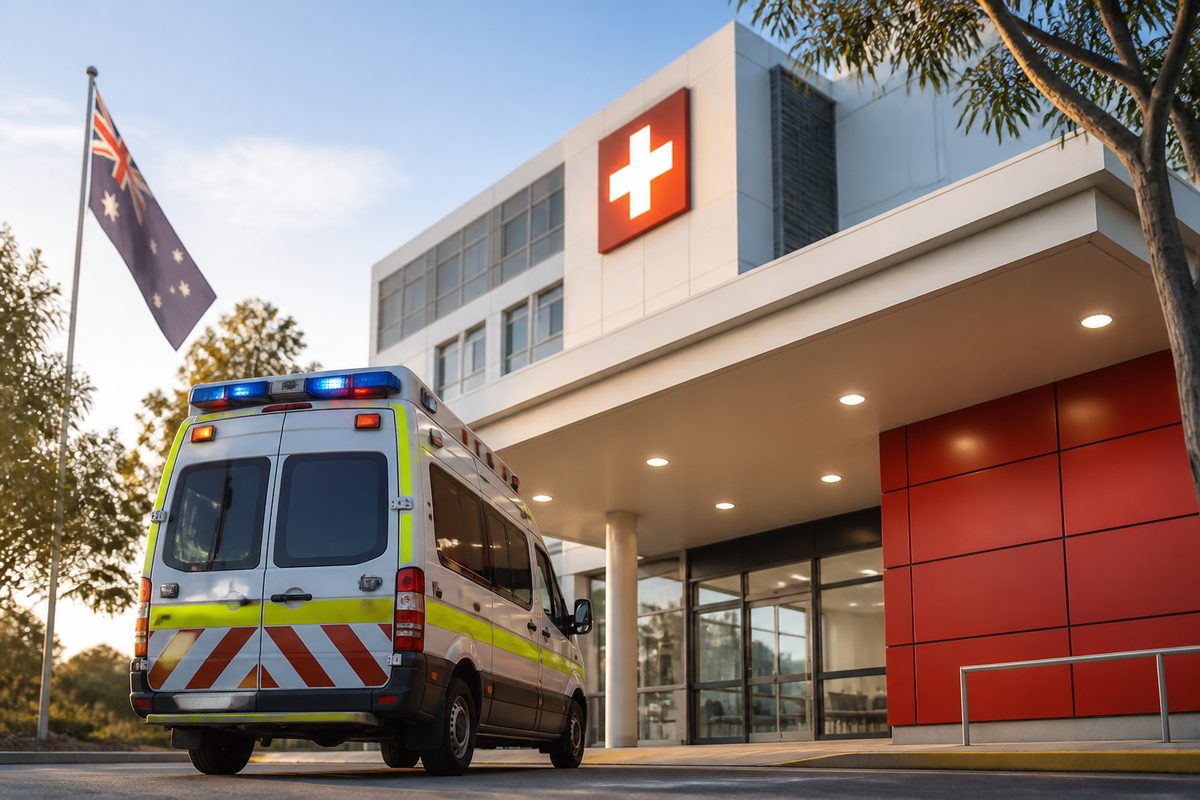
It is worth going to the emergency room when your symptoms could be serious, sudden or getting worse. It's often not the best use of your time when the problem is mild, stable and could be handled by a GP. The answer depends less on how bad you feel and more on what could be going on and how fast it needs a hospital team.
This guide is general information only, not a diagnosis or personal medical advice. In an emergency, call 000. For health advice, healthdirect on 1800 022 222 can help, and Queensland readers can call 13 HEALTH.
This article is published by After Hours Care Guide, an independent guide to finding care in Australia. It's not a doctor service and can't book or send a doctor.
What you are really weighing up
Most people asking whether a visit is worth it are balancing four things: how worried they are, how long they might wait, what it might cost, and whether another option exists. All four are fair. But the first one should lead. If the worry is about something that could threaten life, limb or eyesight, the waiting and cost questions come second.
The emergency department (ED) is built for conditions where minutes or hours can change the outcome. It has staff trained in emergency medicine, access to imaging and pathology, and the ability to admit you to a ward or theatre. That's the reason to go.
It isn't a faster version of an ordinary appointment. People with minor problems often find the visit feels slow, because sicker patients are seen first.
Signs and symptoms that make the visit worthwhile
Some signs are widely known as reasons to seek emergency care straight away. Think of these as examples, not a full list:
- Chest pain, pressure or tightness, especially with shortness of breath, sweating, nausea or pain spreading to the arm, neck or jaw.
- Difficulty breathing, or being unable to speak in full sentences.
- Sudden weakness, facial droop, confusion or trouble speaking.
- Severe or sudden abdominal pain, particularly if it is constant, getting worse, or comes with vomiting, fever or a rigid belly.
- Heavy bleeding that will not stop, or a serious injury such as a suspected broken bone with deformity.
- A sudden severe headache unlike any you have had before.
- A baby or small child who is very drowsy, hard to wake, or struggling to breathe.
If any of these apply, don't spend time weighing costs. Call 000 and ask for an ambulance. Paramedics can start assessment and treatment before you reach hospital, and they can decide where you should be taken.
Driving yourself is usually unwise if you're unwell enough to need the emergency department urgently.
Chest pain and abdominal pain deserve special care
These two symptoms cause a lot of hesitation. Both have many causes, and most aren't dangerous. The trouble is that the dangerous causes can look like the harmless ones.
Chest pain can come from the heart, lungs, muscles or gut, and you can't reliably tell which at home. A clinician usually needs an exam and tests to work it out. So new or unexplained chest pain is generally worth checking promptly.
Abdominal pain is similar. Mild, short-lived discomfort that settles is one thing. Pain that is severe, getting worse, or paired with fever, ongoing vomiting, blood, or a hard and tender belly is another, and it's more likely to need hospital assessment.
Not sure which fits you? Phone healthdirect on 1800 022 222 (or 13 HEALTH in Queensland) to talk it through with a health professional. Call 000 if things get worse.
When the answer is probably no
Plenty of problems are uncomfortable but not emergencies. A mild sore throat, a minor rash, a low-grade cold, an ongoing but stable complaint, a prescription renewal or a request for a certificate usually suit primary care better. Primary care means the everyday health services outside hospital, like your regular GP clinic. It handles these needs with continuity and lower cost.
Overseas, you may hear the term primary care physician for the person who coordinates your routine care. In Australia, your usual GP plays much the same role. A GP who knows your history can often tell what's routine and what needs escalation. That's a real edge over a one-off hospital visit.
Still, a stable symptom isn't always a harmless one. If something has lingered, keeps returning or just feels wrong, see a medical doctor in general practice. A GP can send you to hospital if needed.
The urinary system: a common grey area
Problems with the urinary system can fall on either side of the line. A urinary tract infection often causes burning, frequent urination or discomfort, and many people get it handled in a routine appointment. It's more worrying with high fever, shaking chills, back or flank pain, vomiting, confusion, or signs the infection may have spread.
It's also more concerning in pregnancy, in older adults, in young children, and in people with weakened immunity or a known kidney problem.
Sudden severe pain in the side or groin, being unable to pass urine, or visible blood alongside serious symptoms are other reasons to get urgent help. If your symptoms are mild and stable, a GP or an after-hours service may be enough. If they're escalating or you feel very unwell, the emergency department is the safer choice. Unsure? healthdirect can help you decide.
How triage affects whether your visit feels worth it
Part of the frustration with emergency visits is the wait. It helps to know why it happens. On arrival, a nurse assesses you and gives you a priority. Australian hospitals use the Australasian Triage Scale, which sorts patients by how quickly they need to be seen.
You may have read about the Emergency Severity Index, a similar five-level triage tool used in many United States hospitals. The idea is the same in both: the sickest people are seen first, not the people who arrived first.
This has a practical effect. If your problem is low priority, you may wait a long time while more urgent cases are treated. That's the system working as intended, not a sign you've been forgotten.
If you feel worse while waiting, tell the triage nurse straight away. Your condition can be reassessed and your priority changed.
A note on rules you may have heard about from the United States
Some readers come to this question after reading American advice. In the United States, the Emergency Medical Treatment and Active Labor Act requires hospitals with emergency departments that take part in Medicare to screen and stabilise people who arrive with an emergency condition, whatever their ability to pay. It's a US law. It doesn't apply in Australia.
Much of the American debate about whether an emergency visit is worth it turns on bills. That's a different worry from the one most Australians face. Australia has its own arrangements, so rely on Australian sources for what applies to you.
You may also see the term urgent care center in overseas material. That's a US category of walk-in clinic sitting between a family doctor and a hospital. Australia doesn't use that label in the same way, but similar services exist. They include after-hours GP services, some urgent care clinics and, in some areas, state-based urgent care services. Availability differs by location, so check what's near you rather than assuming.
Cost, insurance and eligibility
Cost is a fair concern, and the honest answer is that it varies. Public hospital emergency departments in Australia generally treat eligible patients without charging for the emergency care itself. But eligibility depends on your circumstances, including your Medicare status and visa category.
Private hospital emergency departments, where they exist, and some ambulance services may involve charges. Insurance may change what you pay in some cases, and policies differ in what they cover, including ambulance cover, which varies by state and by policy.
Please don't rely on a general article for amounts or rebates. Check current costs and eligibility with Services Australia, your health fund, or the provider before you decide. The exception is an emergency. Then get care first and sort out the paperwork afterwards. Delaying emergency care to compare prices can cause harm.
A simple way to decide
If you're standing in the kitchen wondering what to do, these questions can help:
- Could this be life-threatening or limb-threatening? If there is any real chance, call 000.
- Is it getting worse quickly? Rapid change is a reason to move toward hospital care.
- Can it safely wait for a GP? If you are stable and a GP appointment is available soon, that is often the best route.
- Is it after hours or hard to get an appointment? An after-hours GP service or a call to healthdirect may bridge the gap.
- Am I especially vulnerable? Babies, older adults, pregnant women and people with chronic illness have less margin for waiting.
If you answer yes to the first two, the visit is almost certainly worth it. If you answer no to those and yes to the third, a GP is likely a better fit.
Trust your gut too. If something feels seriously wrong, getting checked is reasonable, even if it turns out to be minor.
Why a negative result can still be a good outcome
Some people regret going to hospital when tests come back normal and they're sent home. It's worth looking at that differently. A good emergency visit isn't only one where something dramatic is found. Ruling out a dangerous cause is valuable in itself, especially with chest pain or severe abdominal pain, where the aim is to exclude the conditions that can't be missed.
Staff would generally rather see someone who turns out to be fine than miss someone who isn't.
Even so, it's not unreasonable to feel a mild problem should have been dealt with elsewhere. If that happens, treat it as information for next time. Note which service might have suited you and who to call first.
Making a visit more useful if you do go
- Bring your Medicare card, a list of your regular medicines and any allergies, and details of your GP.
- Write down when your symptoms began and how they have changed.
- Bring someone with you if possible, as they can help you remember information and speak up for you.
- Tell the triage nurse if you get worse while waiting.
- Ask what the plan is and what warning signs mean you should return.
Before you leave, make sure you understand the follow-up. Ask whether you should see your GP, and what to do if symptoms come back. A handover to primary care after an emergency visit helps you avoid a repeat trip.
Where to find help in the meantime
If you're unsure whether your situation is an emergency, you don't need to guess alone. Call 000 for a life-threatening emergency. For health advice, call healthdirect on 1800 022 222, or 13 HEALTH if you're in Queensland.
You can also read more on the independent After Hours Care Guide, which explains how to find care options in Australia. It's a guide only and doesn't provide medical services.
Bottom line
The emergency department is worth it when the risk is real: severe, sudden or worsening symptoms, or anything that could threaten life. For stable, mild problems, a GP or an after-hours service will usually serve you better and spare you a long wait.
When in doubt, ask for advice early. And if you believe it's an emergency, act on that belief and call 000.
Deciding whether it is worth going to the emergency room usually comes down to how serious and time-sensitive the symptoms are, since signs such as chest pain, difficulty breathing, severe bleeding, sudden weakness or confusion call for immediate care, and Emergency medical services can assess the situation, advise whether to call for an ambulance and provide urgent treatment on the way to hospital. For milder problems that are not getting worse, a visit to a GP, urgent care clinic or pharmacist may be quicker and more appropriate, but if you are unsure or the symptoms feel severe, it is safer to seek emergency care rather than wait.