What to Expect at an Emergency Room?
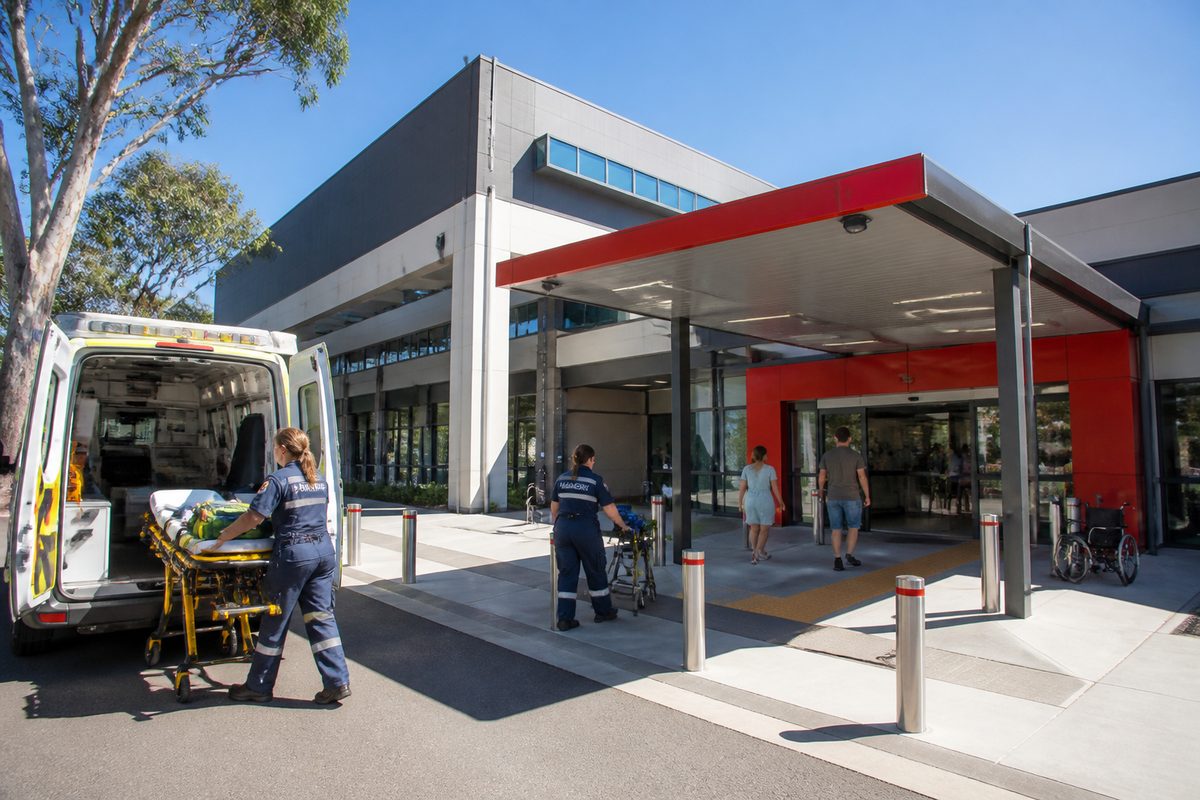
At an emergency room in Australia you will usually be registered, assessed by a triage nurse, seen in order of clinical urgency rather than arrival time, examined and tested, and then admitted, transferred or sent home. The exact path depends on your condition, how busy the hospital is and which hospital you attend. Most visits follow the same broad sequence. Knowing it makes a stressful day easier.
This guide is general information only. It doesn't diagnose anything, and it can't tell you whether your situation is an emergency. If you believe someone's life is in danger, call 000 now.
Not sure whether to go to hospital? healthdirect offers a health advice service on 1800 022 222, and Queensland readers can call 13 HEALTH. After Hours Care Guide is an independent guide to finding care in Australia. It's not a doctor service and can't send anyone to you.
Before You Walk Through the Doors
Many people only think about the visit once they're already in the car. A few minutes of preparation can save a lot of confusion later, if there's time and the situation allows it. If it's urgent, skip the prep and get help first.
Things that are useful to have with you:
- Your Medicare card, or the details of your overseas visitor cover if you are visiting.
- A pension or concession card, if you hold one.
- Photo identification.
- A list of the medicines you take, written down or photographed from the labels, along with any known allergies.
- The name of your regular GP and clinic, and details of any recent specialist care.
- A phone and charger, plus a way to contact a family member or friend.
- Glasses, hearing aids or dentures if you use them.
Caring for a child? Bring any record of their immunisations and their usual comfort items. Attending with an older relative? Bring any care plan or advance care directive you know exists.
If you're unsure whether to attend at all, call healthdirect on 1800 022 222 (or 13 HEALTH in Queensland). If anything feels life threatening, call 000 rather than driving yourself.
Arrival and Registration
When you arrive, you'll usually find a reception or triage desk near the entrance. Staff will ask your name, date of birth and the main reason you came. They may ask for your Medicare card and contact details.
This first chat is brief. It's mainly about getting you into the system.
If you came by ambulance, the paramedics normally hand over to hospital staff directly. They pass on what they saw and what happened on the way. So you may be taken straight into the department and registered afterwards.
You may be given a wristband showing your name and other identifying details. Check that the details are right. Staff rely on that band to match you with your tests and records.
The Triage Conversation
Triage is the step that surprises people most. A nurse assesses you quickly and assigns a priority category. This is based on how urgent your condition looks, not on who arrived first, who is most upset or who has waited longest.
That's why someone who arrives after you may be taken in before you. It doesn't mean you've been forgotten.
During triage, the nurse may:
- Ask what has happened and when it started.
- Check basic observations such as pulse, blood pressure, temperature and breathing.
- Ask about existing conditions, allergies and the medicines you take.
- Ask about pain and how it affects you.
Be honest and specific. Say so clearly if anything gets worse while you wait. It's better to speak up than to sit quietly and hope someone notices. If your condition changes, tell the triage nurse or the nearest staff member straight away.
The Waiting Room
After triage, many people are asked to wait. Waiting is normal. Often it's a sign that more urgent patients are being treated first. It can still feel long, especially when you're in pain or worried.
While you wait, a few practical points are worth remembering:
- Ask staff before eating or drinking. Some tests or procedures need an empty stomach, and staff may ask you not to have anything until you have been assessed.
- Keep your belongings with you or with a trusted companion.
- Stay near the waiting area so staff can find you when your turn comes.
- Let staff know if you need to leave for any reason, so you are not recorded as having left the department.
Some hospitals have a separate area for children or for people with mental health needs, and some have a quieter space. If you or the person you're with finds the place overwhelming, tell staff. They may be able to offer an alternative.
Moving Into a Treatment Space
When it's your turn, you'll be taken to a cubicle, a bay, a chair or a bed, depending on how the department is set up and what you need. You may be asked to change into a hospital gown.
A curtain, rather than a door, often separates you from the next person. You may hear other conversations. Staff are trained to protect privacy, but you can ask to speak more quietly or in a different space if you need to share something sensitive.
Expect to meet several people. Expect to repeat your story more than once. A nurse, a junior doctor and a more senior doctor may each ask similar questions. That's not disorganisation. Each person is checking details independently, which helps catch mistakes.
Examination, Tests and Imaging
The doctor will examine you and decide what tests, if any, you need. Depending on your situation, these might include blood tests, a heart tracing, a urine sample or imaging such as an X-ray or scan. You won't necessarily have all of them. Many people have only a few.
Test results often take time. Blood samples and scans go to other parts of the hospital, and the department may be waiting on several people's results at once. If you're told you're waiting for results, the team is usually holding off on decisions until they have the full picture.
You have the right to ask what a test is for and what it might show. Asking isn't rude. Clear information helps you give informed consent and understand your own care.
The care team may also give you treatment while you wait for results. The clinicians looking after you decide this, based on your condition. This guide doesn't name medicines or recommend any treatment, and you should never take anything on the strength of general information alone.
Who You Will Meet
An emergency department is staffed by a mix of professionals, and the titles can be confusing. You may meet:
- Triage nurses, who assess urgency at the start.
- Registered nurses, who monitor you and carry out much of the hands-on care.
- Junior doctors, who are often the first to examine you in detail.
- Senior emergency doctors, who oversee decisions and make final calls on more complex cases.
- Specialist teams, who may be called to review you if you need particular expertise.
- Allied health staff, such as social workers, physiotherapists or interpreters, depending on your needs.
Not sure who someone is? Ask. Staff are generally happy to explain their role.
Pain, Comfort and Communication
You're allowed to say when you're in pain, uncomfortable or frightened. Staff may ask you to rate pain on a scale, which helps them track changes.
Need an interpreter? Ask for one. Hospitals can usually arrange interpreting services, and a professional interpreter is generally better than a family member for medical details.
If you have a disability, a cognitive condition or sensory needs, tell staff early. A support person can often stay with you, although the department may limit numbers depending on space and circumstances. Check with the staff on the day.
Decisions at the End of the Visit
After assessment and tests, the clinical team will usually decide on one of a few outcomes:
- Discharge. You go home, often with written instructions and advice on follow-up.
- Admission. You are moved to a ward for further treatment or monitoring, sometimes after a short stay in an observation area.
- Transfer. You are moved to another hospital that has the services you need.
- Referral. You are asked to see your GP or a specialist, or attend a clinic, for ongoing care.
Before you leave, make sure you understand what happened, what comes next and what warning signs should bring you back. If anything is unclear, ask staff to explain it again or write it down.
Ask who to contact if you have questions after you get home. Ask which of your own health professionals should receive a copy of the details.
Paperwork, Costs and Eligibility
In Australia, public hospital emergency departments generally treat people who are eligible for public care under Medicare without charging for the emergency care itself. Eligibility, fees and charges can differ for overseas visitors, for people using private insurance, and for services such as private hospitals.
Costs and rules change. Confirm current details with Services Australia or the hospital before relying on any assumption. Don't assume a particular amount or rebate applies to you.
If you receive a bill or have a question about charges, contact the hospital's patient accounts or billing team, or ask Services Australia about your Medicare entitlements.
Support People and Visitors
If you're the person with the patient, your role matters. You can help by:
- Remembering the sequence of events and passing on key facts to staff.
- Keeping a list of questions to ask.
- Writing down instructions at discharge.
- Looking after the patient's belongings.
- Looking after yourself, with water, rest and breaks, because the day can be long.
Visiting rules can change depending on the department, the time and public health settings. Ask at the desk what's currently allowed.
Looking After Yourself Afterwards
An emergency visit can be tiring and emotionally draining, even when the outcome is good. It's common to feel anxious, flat or overwhelmed afterwards. Give yourself time to rest, and follow the written instructions you were given.
If you feel worse, develop new symptoms or are worried about anything, seek advice again. Call 000 in an emergency, and healthdirect on 1800 022 222 (13 HEALTH in Queensland) for health advice.
If you were told to see your GP, book that appointment soon and take your discharge paperwork with you. Your GP can follow up on tests and help coordinate ongoing care.
Common Worries First-Timers Have
It's normal to worry about being judged, wasting staff time or being forgotten. Emergency staff see a very wide range of situations every day. If you truly believe you need urgent help, it's reasonable to seek it. If you're unsure, health advice lines can help you decide, though they can't replace emergency services.
It's also normal to feel confused by medical language. Ask staff to use plain terms. A good habit is to repeat back what you've understood: "So the next step is X, and I should return if Y happens, is that right?" That gives staff a chance to fix any misunderstanding.
Key Takeaways
- Expect registration, triage, waiting, assessment, tests and a decision about what happens next.
- Triage orders patients by clinical urgency, not arrival time.
- Tell staff if your condition changes while you wait.
- Bring identification, your Medicare card, a medicines list and a way to contact someone.
- Ask questions and make sure you understand your discharge instructions.
- Confirm costs and eligibility with Services Australia or the provider.
- In an emergency call 000. For health advice call healthdirect on 1800 022 222, or 13 HEALTH in Queensland.
This article is general information and not medical advice. For finding the right kind of care in Australia, you can also read the independent After Hours Care Guide, which helps you understand your options but doesn't provide medical services.