What Does Each Color Code Mean in a Hospital?
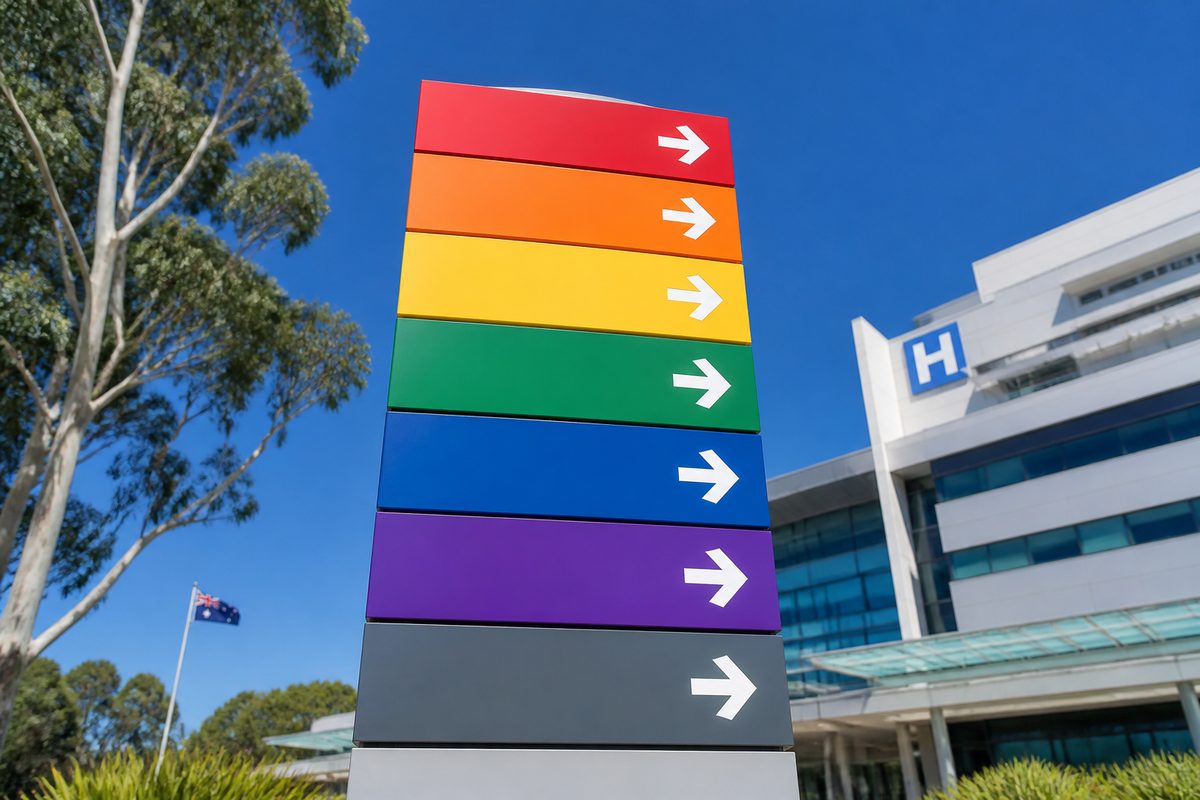
Each hospital colour code is a short, standard signal for a type of emergency, such as red for fire, blue for a medical emergency, orange for evacuation, purple for a threat like a bomb threat and black for a personal threat, but the exact meaning can differ between hospitals and states. The codes exist so staff can respond fast without alarming patients and visitors. This guide goes colour by colour. You'll see what each one usually signals and where the confusion tends to start.
It's general information only. It can't tell you what's happening in a particular building. If someone is in danger or seriously unwell, call 000. For health advice, healthdirect on 1800 022 222 can help, and Queensland readers can call 13 HEALTH. After Hours Care Guide is an independent guide to finding care and is not a doctor service.
A Colour-by-Colour Reference
Australian hospitals commonly base their Hospital emergency codes on the national standard for emergency management in health facilities. Many state health services publish their own versions too. The list below shows the pattern you're most likely to meet.
Treat it as a guide, not a promise. Local policy always comes first.
Code Red: fire or smoke
Red is the most widely known colour in this system. It usually means a fire, smoke or a fire alarm. Staff are trained to move anyone in immediate danger away, shut doors to contain the area, raise the alarm and use extinguishers only where it's safe.
If you hear a Code Red, follow staff directions and the signs for exits. Don't use lifts.
Code Blue: medical emergency
Blue usually means a person needs urgent medical help, often because they've collapsed or stopped breathing. It's the code you're most likely to hear on a ward. Many hospitals now split this from a slightly earlier trigger, described later, but the meaning is the same: a trained team has to reach a patient fast.
Blue is the one most patients wonder about, since it ties straight to their care.
Code Orange: evacuation
Orange commonly means a decision has been made to move people out of an area or the whole building. That might follow a fire, a structural problem or another hazard. Evacuation usually happens in stages, starting with those closest to danger.
Staff will guide you. Stay calm and don't push against the flow of people.
Code Purple: bomb threat
Purple typically relates to a Bomb threat or a suspicious item. Security and police lead the response. Staff may ask people to leave a certain area or avoid using mobile phones near it.
See an unattended bag? Tell a staff member. Don't touch it.
Code Black: personal threat
Black generally signals a threat to a person, such as an aggressive or armed individual. At its most serious this can include an Active shooter scenario, though hospitals plan for many lesser situations too. Security and police take the lead.
If you're nearby, staff may ask you to move away, shelter somewhere safe or stay behind a closed door until told otherwise.
Code Brown: external emergency
Brown usually means an emergency outside the hospital that's likely to send a surge of patients or hit services. A large road crash or a flood in the community might trigger it. Wards and the emergency department start preparing beds, staff and equipment.
A related term, Mass casualty incident, describes an event that produces more injured people than normal services can handle at once.
Code Yellow: internal emergency
Yellow commonly refers to an emergency inside the hospital that isn't a fire. Think power failure, a flood from burst pipes or a gas leak. The word is used differently elsewhere, so it's one of the most confusing colours. Our separate article on what Code Yellow means in a hospital goes into this in more depth.
Code Grey, Code Pink and other colours
Some hospitals use extra colours. Grey can mean security or aggression management. Pink is often tied to an infant or child emergency or an abduction. Others have their own codes for chemical, biological or radiological hazards.
Colours beyond the core set vary the most. Don't assume your hospital matches another.
Why the Same Colour Can Mean Two Things
The colour system didn't come from one source. In the United States, many hospitals built their own codes, and a colour could mean something different from one city to the next. Efforts to standardise followed, but adoption is voluntary in many places.
In Australia, a national standard gives a common starting point. Still, each state and individual health service can add to it or change it.
That's why a nurse who moves interstate may need to relearn what Blue or Yellow means. Some hospitals have moved to plain language on purpose, such as announcing "fire in the west wing" instead of a colour. The aim is to cut confusion for staff who work across several sites and to make announcements clear to everyone present.
Many hospitals in the United States look to the Joint Commission, an accreditation body, which has pushed for consistency in emergency preparedness. Australian hospitals are assessed under national safety and quality standards instead. In both countries, accreditation pushes services to have written plans and to practise them.
How a Code Is Actually Called
When someone raises an alarm, the switchboard or control room confirms the type and location, then announces it. Most announcements use the Public address system, with the code colour and a location repeated so nearby staff know where to go.
Some wards also use pagers, phones or staff duress buttons. So you may hear nothing at all even when a response is underway.
Larger events run under the Incident Command System, a structured way of giving out roles so one person is in charge and others handle jobs like safety, communication and supplies. Hospitals borrow this model from emergency services. A Code Orange or Code Brown isn't a free-for-all. Someone is coordinating, and staff know their role before the event begins.
Medical Codes and the Team Behind Them
The medical side of the colour system is worth separating from facility emergencies. A Code Blue is a response to a person in crisis, and the team who arrives typically brings specialised equipment. A Crash cart is a trolley holding the tools used in resuscitation. Hospitals check it regularly so it's ready at any time.
Two of the most serious situations a team may face are Cardiac arrest, where the heart stops pumping well, and Respiratory arrest, where breathing stops. They're different problems but often linked, and each calls for immediate action.
The response commonly involves Cardiopulmonary resuscitation, which uses chest compressions and breathing support to keep blood and oxygen moving until more treatment is available. Airway management, meaning steps to keep the breathing passage open, is also central. Staff are trained in these skills and practise them often.
Many hospitals also run a Rapid response system. This lets staff, and in some places patients or family members, call a team when a patient seems to be getting worse, before it becomes a full emergency. The idea is to act earlier.
It's separate from a Code Blue, though both draw on trained clinicians. Worried about a loved one? Ask your ward how it works.
The Rarer Codes Behind the Scenes
Hospitals also plan for events that are unlikely but serious. Severe weather, such as a storm, flood or bushfire smoke, can affect power, access and patient numbers. Plans cover keeping key services running and moving people to safety if needed. Hazardous material spills and infectious disease outbreaks have their own procedures as well.
Planning documents for large health systems sometimes stretch to extreme events, including a radiological or Nuclear weapon scenario. Government emergency arrangements handle that, not the ward-level codes you might hear.
Most people will never see these. They exist because emergency planners are expected to weigh the full range of risks, even when the chance is very low.
What You Can Do If a Code Is Called
- Stay calm and listen to the announcement, which is usually repeated.
- Follow instructions from staff, who are trained for the situation.
- Don't use lifts during a fire or evacuation unless told to.
- Keep corridors and doorways clear so teams and equipment can pass.
- If you're a visitor, stay with the person you came with where possible.
- Don't film or crowd around a medical emergency. Give the team space and respect the patient's privacy.
If you're outside a hospital and someone needs urgent help, don't wait for a code or a call to be passed along. Call 000 straight away.
Things a Code Does Not Tell You
A code doesn't mean the whole hospital is in danger. Most are local and brief, and most patients and visitors won't be affected. It also doesn't mean someone has died, or that care is poor. Hospitals call codes often because early reporting is safer than waiting.
A code is also not a way to get care for yourself. If you're unwell, you can't pick a colour or call the team through the public address system. Use the nurse call button in hospital. In the community, call 000 for an emergency and healthdirect on 1800 022 222 for health advice, or 13 HEALTH in Queensland.
Not sure whether to see a GP or go to the ED? An independent guide such as the After Hours Care Guide can help you understand your options, though it can't assess you or send anyone to you.
Finding Out What Your Local Hospital Uses
Because meanings vary, the best source is the hospital itself. Ask a staff member at reception or the ward. Check the hospital's website or the state health department's published information, which sometimes lists the codes used in public areas.
Staff can't always share every detail, especially for security codes, but they can usually tell you what you need to do. Confirm any current costs or eligibility for care with Services Australia or the provider rather than relying on a general article.
Key Takeaways
- Common Australian colours are red (fire), blue (medical emergency), orange (evacuation), purple (bomb threat), black (personal threat), brown (external emergency) and yellow (internal emergency).
- Other colours, such as grey or pink, vary widely between hospitals.
- Codes are announced over the public address system and run using structured command roles.
- Medical teams use equipment such as a crash cart and skills like CPR and airway management.
- In an emergency, call 000. For health advice, call healthdirect on 1800 022 222, or 13 HEALTH in Queensland.