What Are All the Codes in a Hospital in Australia?
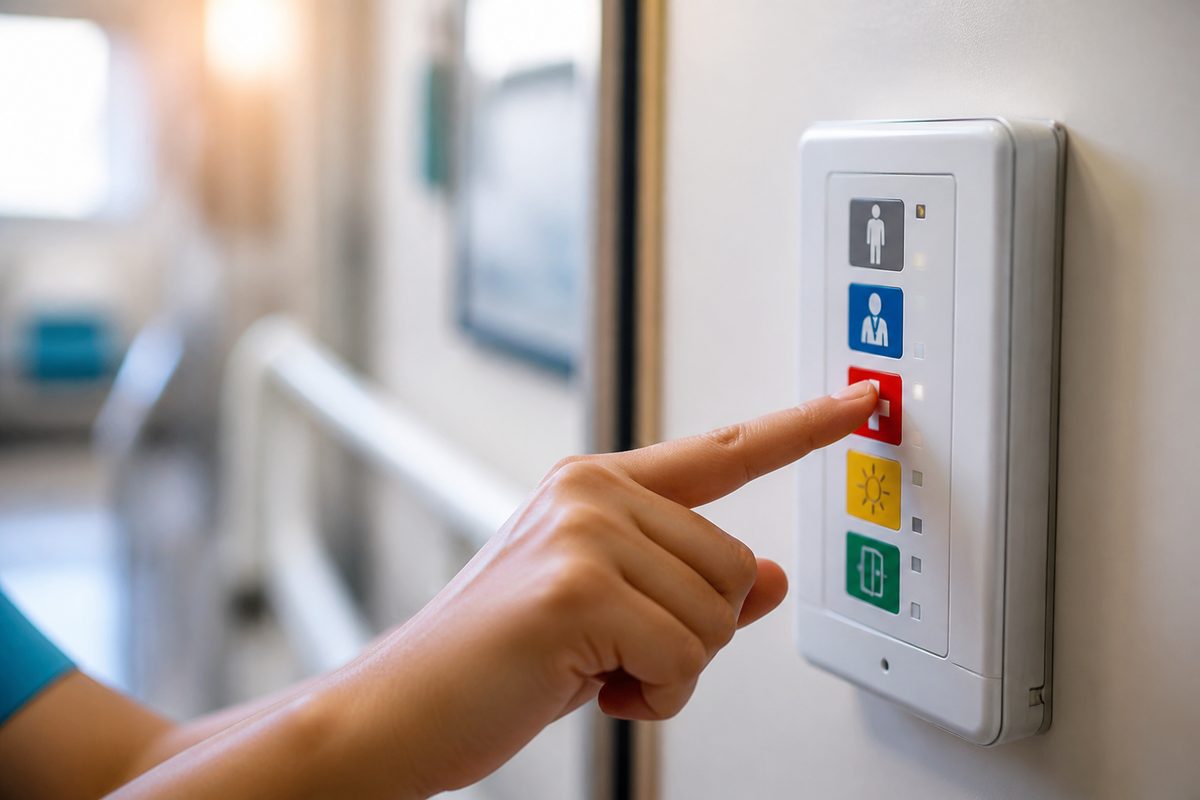
Australian hospitals use colour-coded alerts, such as Code Blue for a medical emergency, Code Red for fire and Code Purple for a bomb threat, but there is no single list that every hospital follows exactly. Most systems are built on a national standard. But states, health services and individual hospitals can use their own wording, add extra codes or change what a colour means.
This guide explains the common codes, where they come from and what they mean for patients and visitors. It's general information only, not medical advice.
If you or someone near you has a life-threatening problem, call 000 right away. For health advice that isn't an emergency, healthdirect on 1800 022 222 can help, and Queensland readers can use 13 HEALTH. After Hours Care Guide is an independent guide to finding care. It doesn't provide doctors or home visits.
Why hospitals use codes at all
Hospitals are busy public places. They're full of patients, visitors, staff, deliveries and big buildings. When something goes wrong, staff need to call the right team fast without scaring people who are already unwell or anxious.
A short code over the public address system, or sent to pagers and phones, does that job. Staff know which team to send. Patients and visitors aren't given upsetting detail.
Codes are one visible part of a wider plan for emergencies. Behind each one sits a written plan. It sets out who responds, where they go, who's in charge and how the hospital keeps caring for everyone else during the incident. Many hospitals run drills so staff can practise before the real thing.
Where the colour codes come from
Most Australian hospital emergency codes trace back to a standard published by Standards Australia, usually called AS 4083, which covers planning for emergencies in health care facilities. It set out a common set of colours so staff moving between hospitals would know the same alerts. Not every hospital has adopted it automatically.
State health departments and local health services often issue their own policies that build on it. That's why you may hear slightly different codes depending on where you are.
Separately, the Australian Commission on Safety and Quality in Health Care sets national safety and quality standards for hospitals. These include how to spot and respond to a patient whose condition is getting worse. They aren't a list of colour codes. But they shape how hospitals set up rapid response systems.
Put the colour-code standard and the national safety standards together, and you can see why many hospitals look alike yet differ in the details.
The main codes you are likely to hear
The list below shows the commonly used meanings. Treat it as a guide, because your local hospital's policy is the final word.
Code Blue: medical emergency
Code Blue is the best known. It generally signals a medical emergency where someone needs immediate resuscitation or urgent clinical attention, such as a collapse or a cardiac arrest. A specialist team, often including senior nurses and doctors, rushes to the spot.
Some hospitals use a separate term, such as a medical emergency team call or rapid response, for a patient who is getting worse but hasn't collapsed. Others use Code Blue for both. A Code Blue can be called anywhere on the grounds, including car parks, cafes and waiting rooms.
Code Red: fire or smoke
Code Red is the alert for fire or smoke. Staff follow set steps to protect patients, contain the problem and get ready to move people if needed. If you hear it as a visitor, stay calm and follow staff instructions. Don't use lifts unless you're told to.
Code Purple: bomb threat
Code Purple is commonly used for a bomb threat. A threat may be a hoax or it may be real. So hospitals rely on trained staff, security and police to assess it.
Visitors may be asked to stay put or move away from certain areas. Don't touch unattended bags or objects. Tell staff about them.
Code Yellow: internal emergency
Code Yellow generally refers to an emergency inside the hospital that disrupts normal work. Think power failure, flooding, a gas leak or a loss of critical services. The aim is to keep patients safe while the fault is fixed.
Code Orange: evacuation
Code Orange usually means the building, or part of it, must be emptied or made ready to empty. Evacuating a hospital is hard because many patients can't walk. So staff plan the order and method of movement with great care.
Code Black: personal threat
Code Black is often used when a person is threatening staff, patients or visitors. It also covers a weapon or a serious risk of violence. Security responds and, where needed, so do police. Some health services keep this code for the most serious threats and use a different code for lower-level behaviour problems.
Code Brown: external emergency
In the standard's framework, Code Brown is typically used for an external emergency. That means something has happened outside the hospital that will affect it, such as a major accident, a natural disaster or another mass casualty incident that sends many injured people its way.
The hospital may call in extra staff, clear space in the emergency department and delay non-urgent work. A word of caution: in everyday hospital slang, some people use the same phrase for a different, much more minor kind of mess. The official meaning depends on local policy, so context matters.
Code Grey: aggression or security response
Code Grey is one of the codes that varies most. In several places it means an aggressive or unarmed threatening situation where security and trained staff are needed to manage behaviour and keep people safe. Elsewhere, similar situations may fall under Code Black. Or Code Grey may be used for something else entirely.
It's a good example of why you can't assume a code means the same thing in every hospital.
Other codes that appear in some hospitals
Beyond the core set, many hospitals add their own codes for particular risks. You may come across alerts for a missing child or suspected infant abduction, a wandering patient, a hazardous spill, an active threat, or a patient who has gone missing from a ward.
Names and colours differ. Some services have moved away from colours towards plain language, announcing exactly what's happening and where. The upside is clear. A visitor, a contractor or a new staff member doesn't need to memorise anything.
That shift is partly about safety. People work across several hospitals, and agency and rotating staff come and go. A colour that means one thing in one building and another in the next can cause confusion at a critical moment. So some health services are standardising their wording or adding short clear descriptions to codes.
Why codes differ between states and hospitals
Health care in Australia is delivered mainly through state and territory systems, with national bodies setting broad standards. Each state or territory health department, and often each local health network, writes policies for its hospitals. A public hospital in one state may follow guidance from its state health department. A private hospital may use its own operator's rules.
Queensland Health, for example, oversees public hospital services in Queensland. Its hospital and health services write and apply emergency procedures for their sites. Other states have their own equivalents.
Because of this layered setup, the safest way to learn a specific hospital's codes is to ask that hospital. Staff can explain what they'd want you to do if an alert sounds while you're visiting. The information is also sometimes shown on signs near entrances and in wards, and some hospitals post visitor safety information on their websites.
Medical codes: what a team call looks like
Code Blue and similar calls are the ones most visitors hear about, so it helps to know what's going on. When a patient stops breathing or their heart stops, time is critical. A respiratory arrest is when breathing stops but the heart may still beat for a short time. Without fast help, it can turn into a cardiac arrest.
A team arrives with emergency equipment, starts treatment and moves the patient to the best area. If you're in a ward as a visitor, staff may ask you to step outside while the team works. That's normal. It gives them space and gives the patient privacy.
Outside a hospital, the same kind of situation calls for 000. Don't wait for an alert or try to arrange transport yourself if someone is seriously unwell. The ambulance operator will tell you what to do while help is on the way.
How the emergency department fits in
The emergency department is where many external alerts have their biggest effect. During a mass casualty incident, it may stop non-urgent care, bring in extra staff and move stable patients elsewhere to make room.
Triage nurses sort arriving patients by urgency, not by order of arrival. So someone with a less serious problem may wait longer when many people have been hurt at once. If you're waiting in an emergency department and the pace suddenly changes, a major incident may be the reason.
Emergency departments are for urgent and life-threatening problems. If your situation isn't an emergency, it may be worth checking other options, such as healthdirect on 1800 022 222 (or 13 HEALTH in Queensland), before you travel. Those services can help you decide where to go. They can't examine you or give a diagnosis.
What patients and visitors should do when a code is called
You don't need to memorise codes. The practical rules are simple and fit almost every alert.
- Stay calm and listen. Announcements often include a location, and staff may give instructions directly.
- Follow staff directions. They're trained for the situation and know the building. Move, wait or stay put as they ask.
- Keep corridors and exits clear. Don't block doorways, lifts or stairwells, and don't crowd around an incident.
- Do not use lifts in a fire alert unless staff tell you it's safe.
- Report concerns. If you see smoke, an unattended bag, a person who seems unwell or threatening behaviour, tell the nearest staff member rather than investigating.
- Keep your phone use sensible. Avoid filming or sharing images during an incident. It can intrude on patients' privacy and distract staff.
If you're a patient in a bed, staff will usually look after you directly. If you have a mobility need, tell staff when you arrive so they know ahead of time.
Are the codes public information?
The general meanings of the main codes are widely known and often appear in public guidance. Detailed response plans usually aren't published, partly for security reasons.
A hospital may share the basic list with visitors but keep the operational detail, such as who responds and how, in staff documents. If you're a student, volunteer, contractor or new employee, you'll normally get the local code list and training in the response during orientation.
Common misunderstandings
- Every hospital uses the same codes. Not exactly. Many follow the same national framework, but local variations are common.
- A code always means something is happening to you. Most alerts affect a specific area and are handled without disturbing the rest of the building.
- Television dramas are accurate. Fictional hospitals often use made-up codes or colours. Real hospitals use the policies of their health service.
- A bomb threat code means a bomb exists. It means a threat has been received and must be assessed. Many threats turn out to be false, but each one is taken seriously.
- You can call a hospital code from your phone. Codes are an internal staff system. If you need urgent help, call 000.
Finding accurate information for your own hospital
If you want the exact codes at a particular hospital, the best sources are the hospital itself, its local health service website and, for public hospitals, the state or territory health department. For a broad view of national safety expectations, the Australian Commission on Safety and Quality in Health Care publishes the national standards that hospitals are assessed against.
For general guidance on finding care, After Hours Care Guide is an independent guide that explains options in plain language. It can't confirm any individual hospital's procedures.
Costs, eligibility and Medicare arrangements can change. Check current details with Services Australia or the provider rather than relying on any general article.
Key takeaways
- Hospital emergency codes are short alerts that call the right team without causing needless alarm.
- Many are based on a Standards Australia framework, but states, health services and hospitals adapt it.
- Commonly, Code Blue is a medical emergency, Code Red is fire, Code Purple is a bomb threat, Code Yellow is an internal emergency, Code Orange is evacuation, Code Black is a personal threat and Code Brown is an external emergency.
- Code Grey and some other codes vary widely, so ask your own hospital.
- As a visitor, listen, follow staff instructions and keep exits clear.
- In an emergency, call 000. For health advice, call healthdirect on 1800 022 222, or 13 HEALTH in Queensland.
This article offers general information only. It isn't a substitute for advice from a qualified health professional or from your local hospital.
Australian hospitals use standardised colour codes under AS 4083, and emergency management covers the full set: Code Red for fire, Code Orange for evacuation or an internal emergency, Code Yellow for an internal disaster or incident, Code Blue for medical emergencies such as cardiac arrest, Code Purple for bomb threats, Code Black for personal threats such as armed or violent incidents, and Code Brown for external emergencies. Staff are trained to recognise each code so they can respond quickly and consistently, and the codes are announced over the public address system without causing alarm to patients and visitors.