Do All Gps Have to Offer Online Appointments?
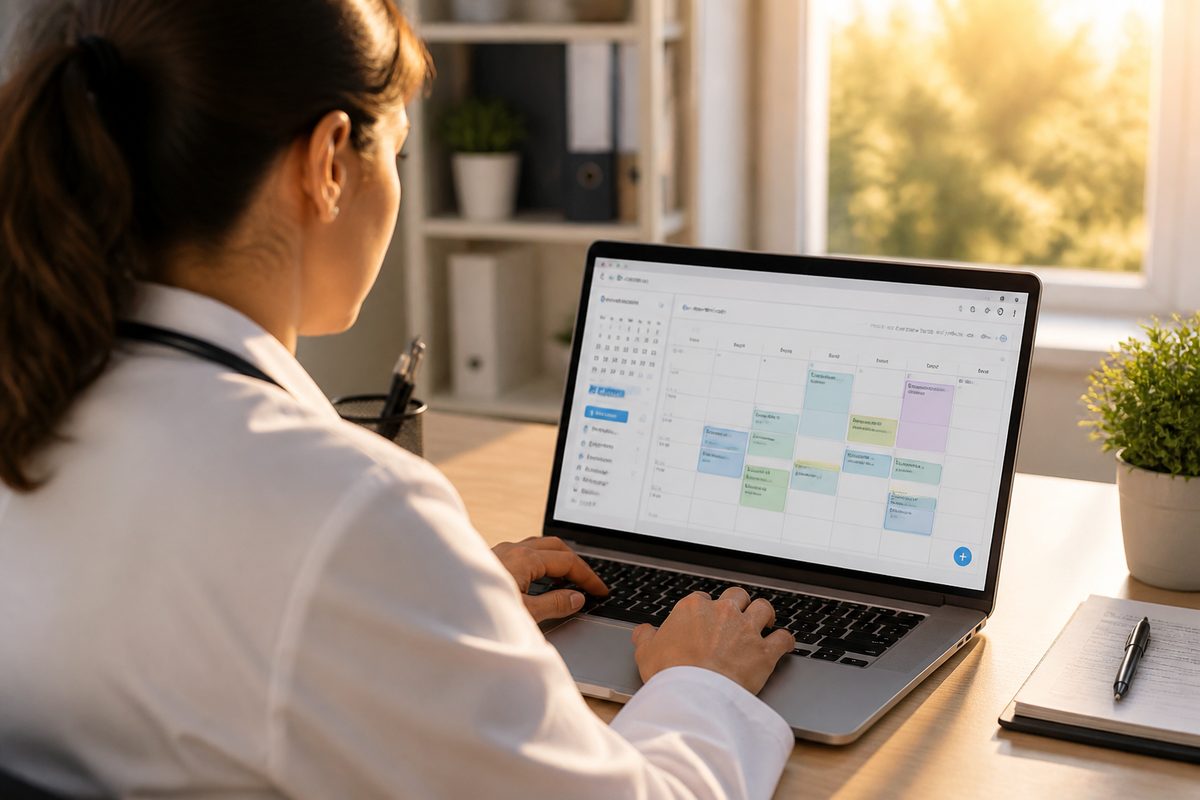
No, in Australia there is no general rule that every GP or general practice must offer online appointments. Whether you can book through a website, use an app, or have a video or phone consultation depends on the individual practice, its systems and the type of visit.
This guide explains what that means for you as a patient, how online booking differs from telehealth, and what to do if a practice can't offer what you need. It's general information only, not medical advice. It's published by an independent guide, not a medical service.
If your symptoms feel like an emergency, call 000. For health advice from a registered nurse, healthdirect is available on 1800 022 222, and Queensland readers can call 13 HEALTH.
Two different things people mean by "online"
Much of the confusion comes from one word, "online", covering two separate services. Keep them apart and the question gets much easier.
- Online booking: using a website, app or booking platform to pick a time. The appointment itself may still be in the waiting room.
- Telehealth: having the consultation itself by video or phone, instead of in the room with the GP.
A practice can offer one without the other. Some have a slick online booking page but only see people face to face.
Others take bookings by phone at the front desk, but will do a phone or video consult when the GP thinks it suits. Neither setup breaks a rule. Practices are generally free to run their business as they see fit, within the broader law and professional standards.
Why Australia has no blanket requirement
Most Australian GP practices are private businesses. Some are owned by the doctors themselves, some by a corporate group, some by a community organisation. They set their own booking methods, opening hours, billing and technology.
Medicare can help cover the cost of eligible consultations. But being able to claim Medicare doesn't force a practice to offer every kind of access.
Accreditation standards for general practice cover safe care, records and patient information. To our knowledge, they don't say a practice must have online booking or video consultations. Rules change, so if this matters to you, check the current position with the practice, the Australian Government's health pages or Services Australia. Don't rely on an article, including this one.
Telehealth rules for Medicare have changed several times in recent years. That includes which services are eligible and whether you need an existing relationship with the practice. Confirm current eligibility and costs with Services Australia or the practice before you book.
What readers may have heard about England
Many people searching this question have seen UK news or health pages, and the answer there is framed differently. In England, general practices work under General medical services arrangements. These are contracts between practices and the national health system.
NHS England sets many of the expectations for those contracts. The NHS app is a national tool for booking, repeat requests and viewing records. Local planning sits with each integrated care system, and the Care Quality Commission inspects practices and reports on access and safety. Healthwatch England collects patient feedback about how easy it is to get an appointment.
None of that applies to Australian practices. We have no NHS England equivalent setting one access contract for every GP. The NHS app, an integrated care system or an inspector like the Care Quality Commission don't govern your local clinic.
So if you read that "GPs must offer online access" and the story is about England, it describes a different system. Australian readers can still learn from it. It shows how access expectations get written down when a country uses a single contract. And it shows why it's reasonable to ask your own practice what it offers.
In Australia the closest equivalents are your state or territory health complaints body, the Australian Health Practitioner Regulation Agency for practitioner conduct, and the practice's own feedback process. Primary Health Networks also work with local practices on access. They don't run your clinic's booking page.
What your practice might offer
With no single standard, the experience varies from clinic to clinic. You may find any of these:
- Online booking for standard consultations only, with a phone call needed for longer or complex visits.
- Online booking for existing patients but not for new ones.
- Phone consultations for certain follow-up chats, with video offered less often.
- Video consultations through a secure platform the practice has chosen.
- No online options at all, with bookings only by phone or at the front desk.
A practice might limit remote visits because the GP wants to see you in person for the issue. Or because their systems are older. Or because the clinic is small and busy. Those reasons are fair. The key is to find out early, not to assume.
Who is most affected when online options are missing
For some people, no online option is a small bother. For others, it's a real barrier.
- People in regional and remote areas who face long travel for a short visit.
- People with disability or chronic illness for whom travel or waiting rooms are hard.
- Carers and parents who can't easily leave someone at home.
- Shift workers who can only make contact outside clinic hours.
- People with limited internet access or older devices, who may be left behind when a practice moves everything online.
That last point is worth stressing. Online-only systems can shut out people without reliable internet, a smartphone or confidence with technology. A good practice keeps a phone option open for them.
Internet quality matters for video visits too. A poor connection can make a consultation frustrating or unsafe, and a phone call is sometimes the better choice.
Disability, discrimination and reasonable access
Some readers ask about legal rights because the UK's Equality Act 2010 often comes up in articles about accessible health services. That Act doesn't apply in Australia. The Australian equivalent for disability is the Disability Discrimination Act 1992, along with state and territory anti-discrimination laws.
These laws are about not treating people unfairly because of disability, and about reasonable adjustments. They aren't about guaranteeing a particular booking method.
If a practice's access arrangements leave you unable to see a GP because of disability, raise it with the practice manager first. After that, you can go to a state or territory complaints body or the Australian Human Rights Commission. Get independent advice about your own situation, as we can't judge individual cases.
How to find out what a practice offers
You don't need to guess. A few quick steps will tell you most of what you need.
- Check the practice website for a booking link, a telehealth page or a list of services.
- Telephone the front desk and ask whether you can book online, whether video or phone consultations are available, and whether that depends on the reason for the visit.
- Ask about costs for a remote consultation, since fees and billing can differ from in-person visits. Confirm current costs and Medicare eligibility with the provider or Services Australia.
- Ask how records are shared and whether the practice can upload to My Health Record if you want it.
- Ask what happens if the GP decides you need to be seen in person, including how quickly that can be arranged.
Choosing a practice when access matters to you
If you're choosing a regular GP, it's fair to treat access as one factor among several. Think about what matters most to you. How far must you travel? Is the same GP usually available? How long do appointments take? Does the clinic offer phone or video when it makes sense?
You can read reviews, but take them with a grain of salt. They reflect individual experiences, not the whole picture.
If you already have a regular practice and it lacks online options, you don't have to leave. Many people stay because they value a GP who knows their history. You can ask whether the practice plans to add options, or whether the GP is open to a phone consultation for suitable matters. Politely explaining your situation often leads to a workable arrangement.
When a remote consultation is not the right fit
Even where a practice offers video or phone appointments, a GP may decide you need to be seen in person. That's a clinical judgement, and it's often about safety, not convenience.
Some matters need a physical exam, tests or equipment that a screen can't provide. A GP may start a visit remotely and then ask you to come in.
If you're worried about new or worsening symptoms, don't wait for an online slot. Call 000 in an emergency. Otherwise, healthdirect on 1800 022 222 offers health advice from a registered nurse, and Queensland readers can call 13 HEALTH.
They can help you decide how urgently to seek care and where to go, including whether an emergency department (ED) is the right place.
If you cannot get the access you need
Start with the practice itself. Speak to the practice manager, explain what you need and ask what can be done. If that doesn't work, consider these options:
- Another GP practice nearby that does offer the booking or consultation type you need.
- A different type of service, such as a telehealth provider, if it suits your concern and you understand the limits of remote care.
- Feedback or a complaint to the practice, and if needed to your state or territory health complaints body.
Whichever route you pick, keep your own health information organised. Tell any new provider about your existing care, so nothing falls through the gaps.
After-hours access is a separate question
Online booking for daytime appointments is a different matter from finding care when your regular practice is closed. After-hours options vary by area. They may include extended-hours clinics, telehealth services, home visit services and hospital departments.
Availability, eligibility and costs differ, so confirm details with the provider. The After Hours Care Guide is an independent guide to finding care and can help you understand the types of services that exist. It doesn't provide medical care and can't book or send a doctor.
Practical tips for patients
- Save the practice's phone number so you always have a fallback if the website is down.
- Ask whether text reminders or booking confirmations are available if you prefer them.
- Test your video setup before a remote consultation, including your camera, microphone and connection.
- Find a private spot for the visit so you can speak freely.
- Write down your questions and any changes since your last visit so the time is used well.
- Ask for a summary of the plan, including any follow-up, in writing if you want it.
Key takeaways
- Australian GPs aren't all required to offer online booking or video consultations, though many do.
- Online booking and telehealth are separate things, and a practice may offer one, both or neither.
- England's arrangements, involving NHS England, the Care Quality Commission and the NHS app, do not apply to Australian practices.
- If access is a barrier because of disability, location or limited internet access, raise it with the practice and know your options for feedback or complaint.
- Always confirm current costs and eligibility with Services Australia or the provider.
- In an emergency call 000, and for health advice call healthdirect on 1800 022 222 (13 HEALTH in Queensland).